
Fully automatic coolant recycling, engineered to your plant
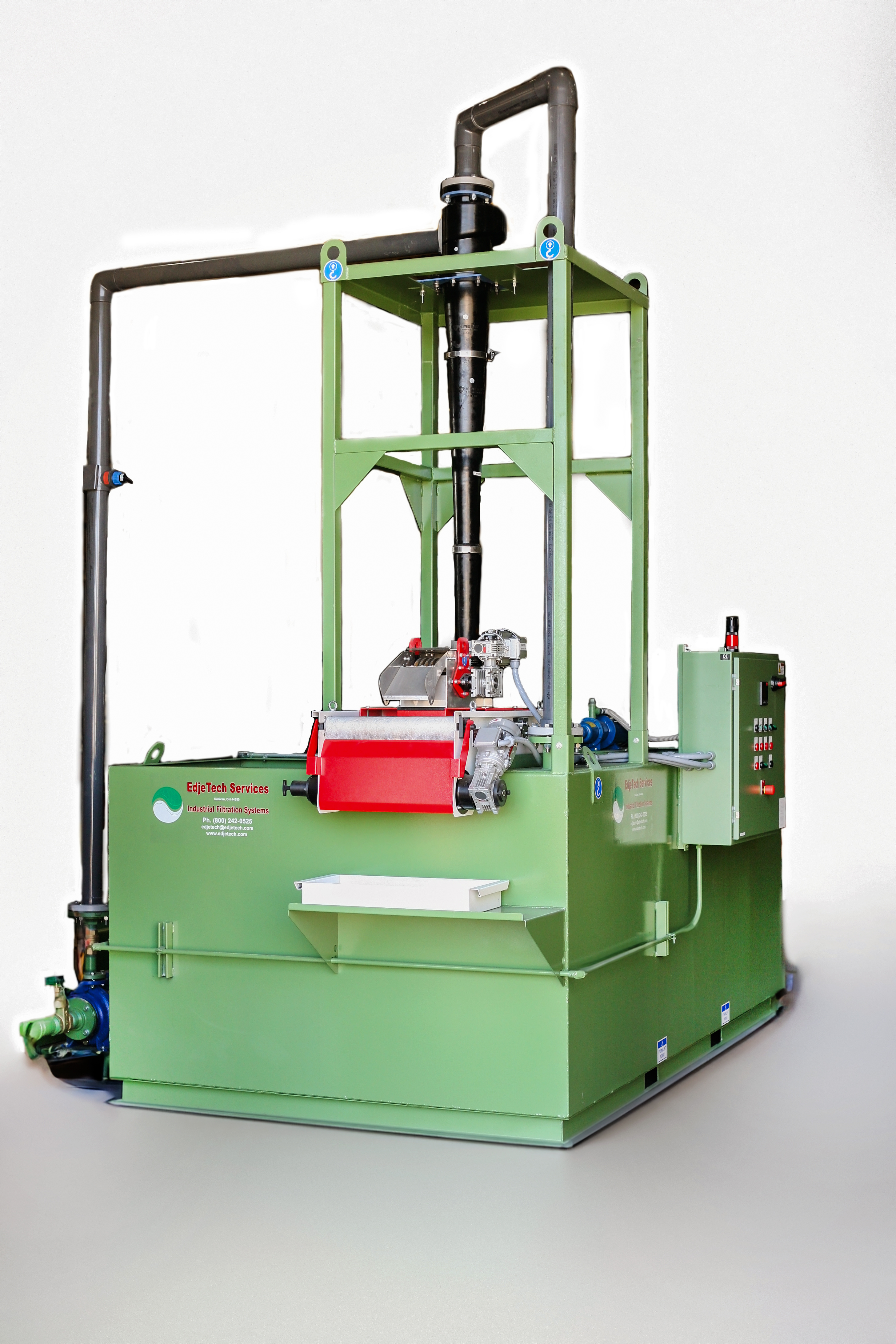
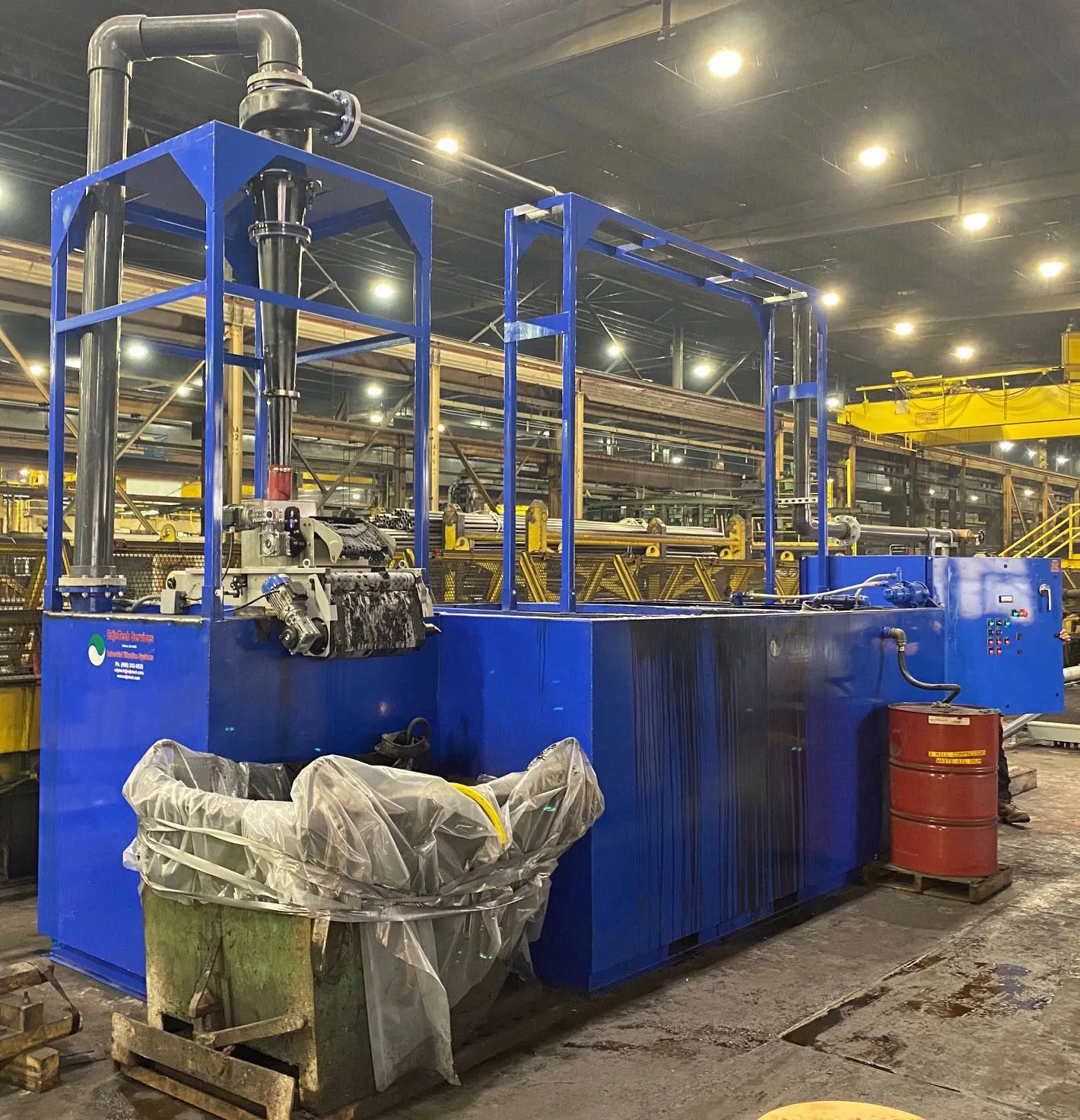
TMCRS provides centralized, real-time coolant filtration for tube and steel mills. It removes 99.75% of ferrous and non-ferrous particulate and tramp oil by volume while returning clean coolant at the flow rate required by the mill.
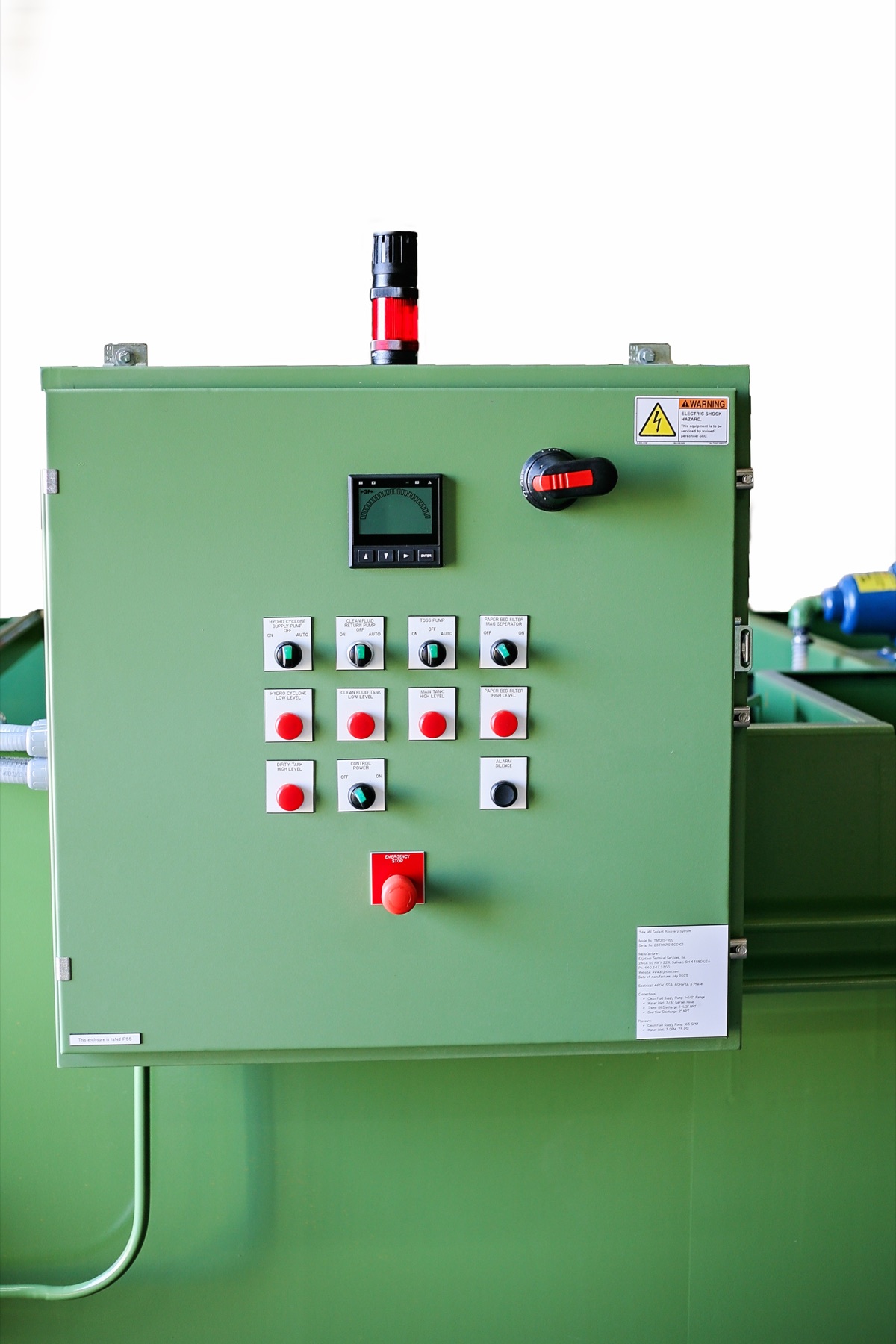
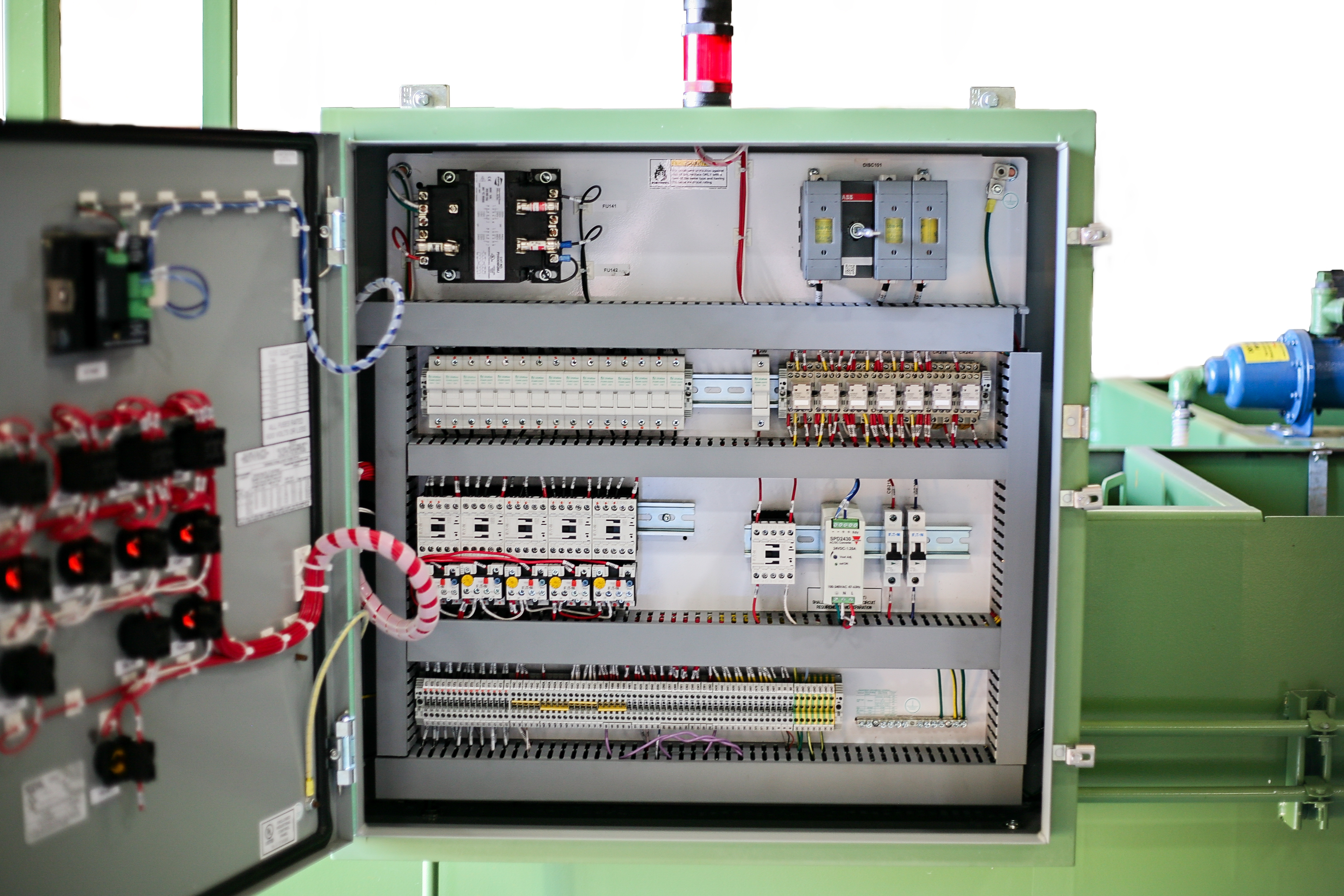
- Continuous filtration
- Treats the full coolant flow at your mill’s required rate
- 99.75%
- Particulate and tramp oil removed, by volume
- 99% or greater
- System uptime
- Built for your mill
- Capacity and filtration matched to your process flow
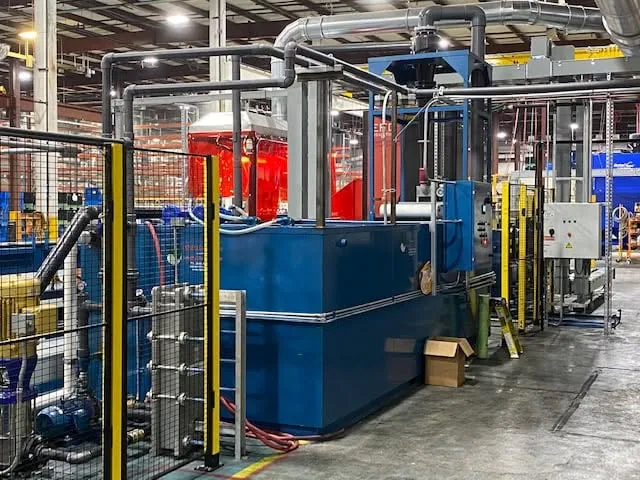
Integrated with the mill coolant loop
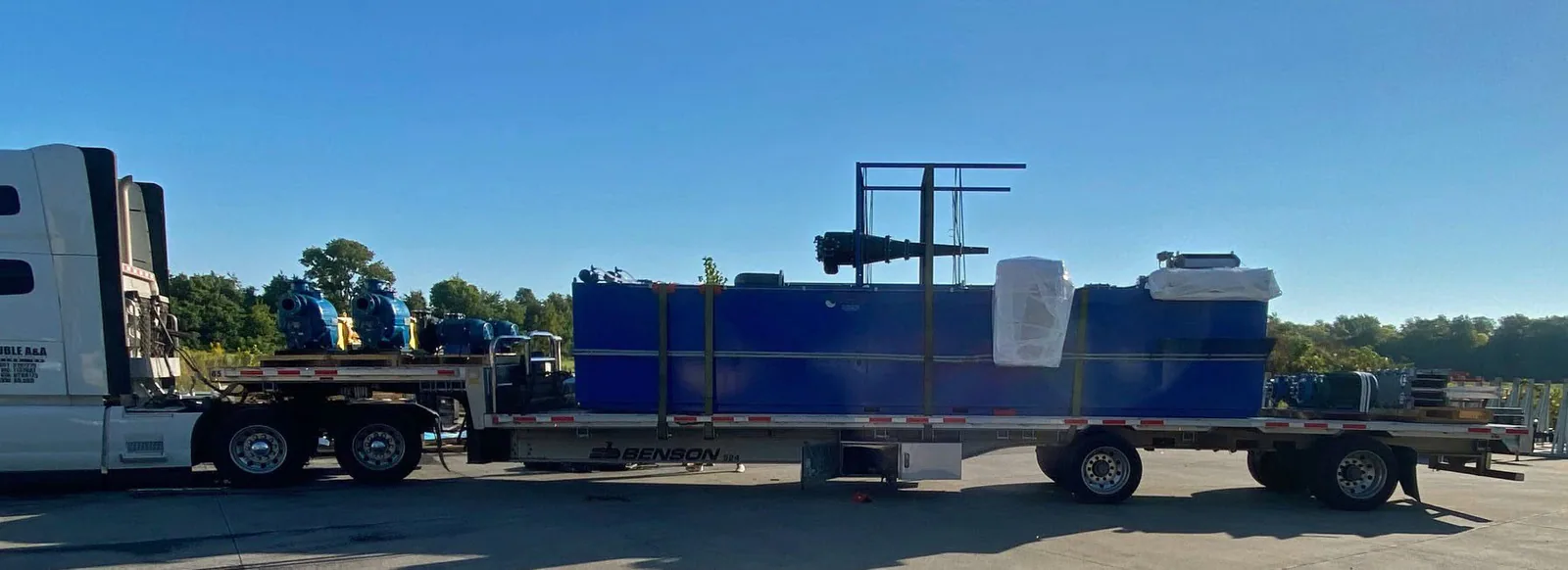
TMCRS filters the full coolant volume in real time and is engineered around the mill's required flow. Systems have processed up to 990 GPM and can scale to 1,600 GPM or more. Permanent integration maintains the required mill flow without manual fluid transfer.
- 01Permanent loop integration
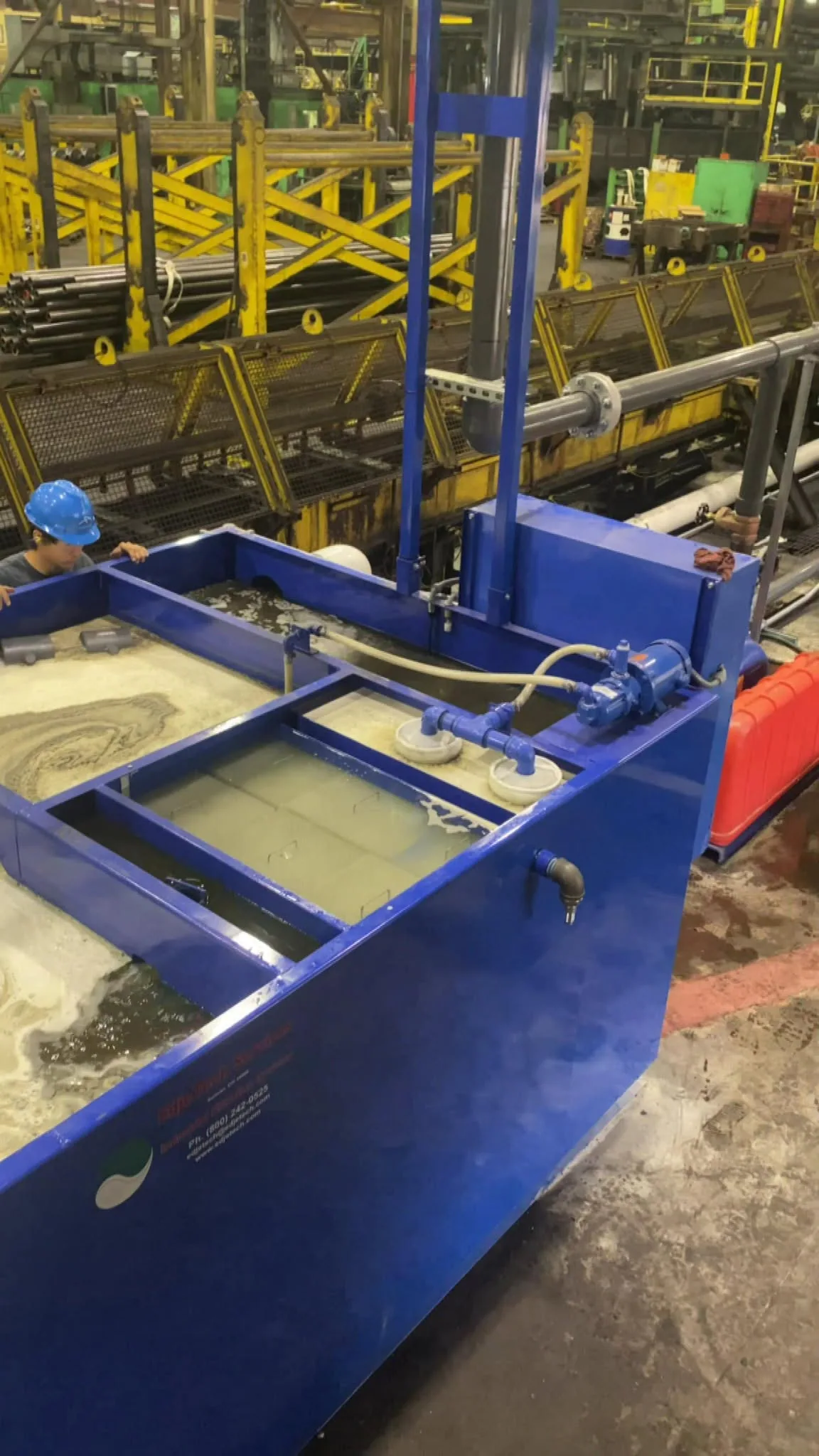
Dirty fluid leaves the mill collection tank or pit, passes through the filtration stages, and returns to the mill as clean fluid on demand.
- 02Contamination stays low
The system runs continuously, so fluid lines stay open and pit clean-outs become less frequent. A coolant proportioner meters water and concentrate to hold your concentration automatically.
- 03Startup and lifecycle support
EdjeTech supports system startup and provides replacement media, parts, drawings, and technical service for the installed equipment.
- Operating results during mill production
- Mill rollers stay cleaner and galling is reduced or eliminated.
- The welder and impeder unit run efficiently on clean fluid.
- Pump life extends with fines kept out of the loop.
- Clean coolant on demand with system uptime of 99% or greater.
- Fully automatic operation. Fluid make-up requires no operator attention.
System functions and operating results
| System function | How it works | Operating result |
|---|---|---|
| Staged solids removal | Hydrocyclone at ~38 micron, magnetic separator removing 98% of ferrous, paper bed at 35 micron for non-ferrous fines, each stage sized to your chip load and material mix. | Heavy ferrous and non-ferrous loads handled in one pass |
| Integrated oil removal | A built-in coalescing oil separator removes free-floating, mechanically dispersed, and loosely emulsified tramp oil. Separated oil drains to your holding container. | Recovered oil at 2% or less water · potential reclamation or reuse subject to acceptance requirements |
| Continuous operation | The system sits permanently in the coolant loop and runs continuously, keeping the fluid moving and aerated. | Continuous aeration helps suppress anaerobic bacterial conditions, while contaminant removal reduces pit accumulation |
| Coolant proportioner | Automatically mixes water and concentrate at the required concentration to replace fluid carried out on tube and chips. | Coolant ready for use at the correct concentration |
| Closed loop at plant scale | The same fluid returns to the mill, reducing off-site disposal and replacement-fluid demand. | Up to 85% lower new-fluid purchases · up to 90% lower disposal cost |
| Modular construction | Additional filtration stages or integration with existing systems, engineered around the mill's required flow. Systems have processed up to 990 GPM and can scale to 1,600 GPM or more. | Modular capacity and filtration stages support plant-specific expansion |
| Optional polish & thermal | A post filter polishes the return flow to 10 to 15 micron; a heat exchanger and cooling tower manage fluid temperature on the high-flow loop. | Polished, temperature-controlled return fluid |
| Backup pumps | Optional redundancy on the hydrocyclone supply and clean fluid supply. | No pump as a single point of failure |
| Fluid-management records | Removal performance, coolant use, and disposal volumes can be tracked during operation. | Supports operating reviews and environmental reporting |
The filtration sequence: solids before oils, coarse before fine
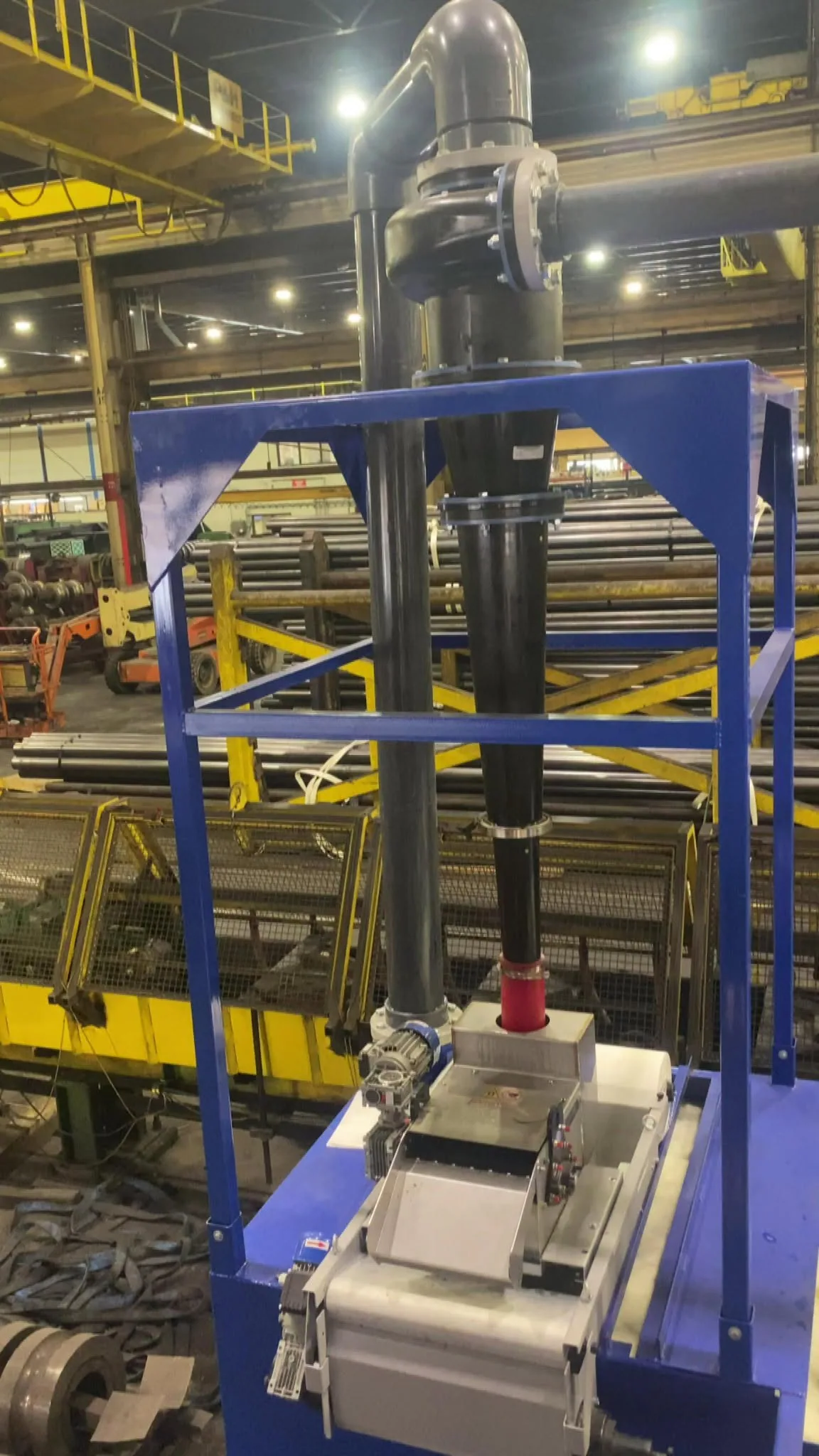
The fully integrated, staged automatic process removes solids and oils while keeping coolant moving and aerated, which helps suppress the anaerobic bacterial conditions associated with stagnant fluid. The sequence reduces the contaminant load passed to each downstream stage.
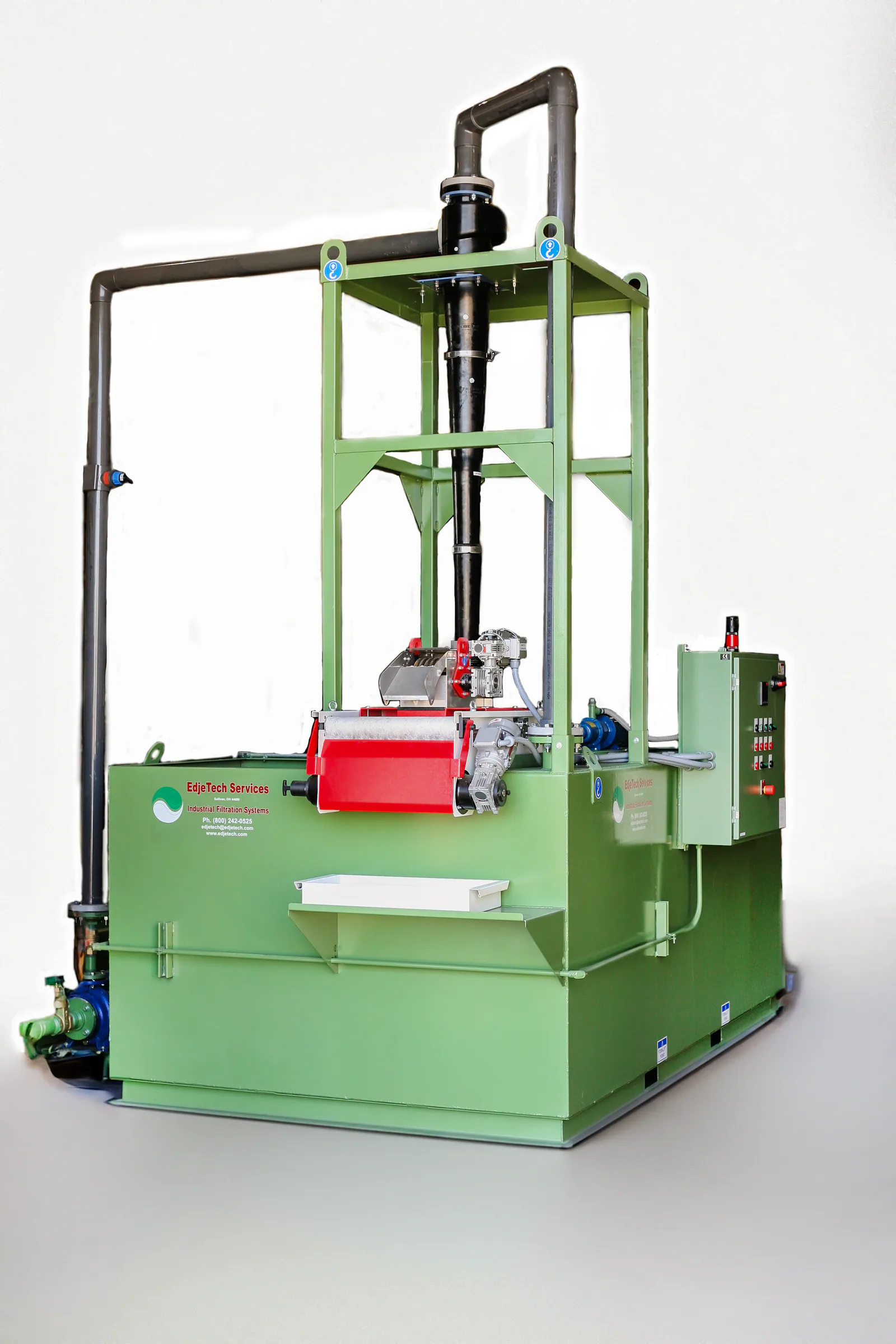 TMCRS system
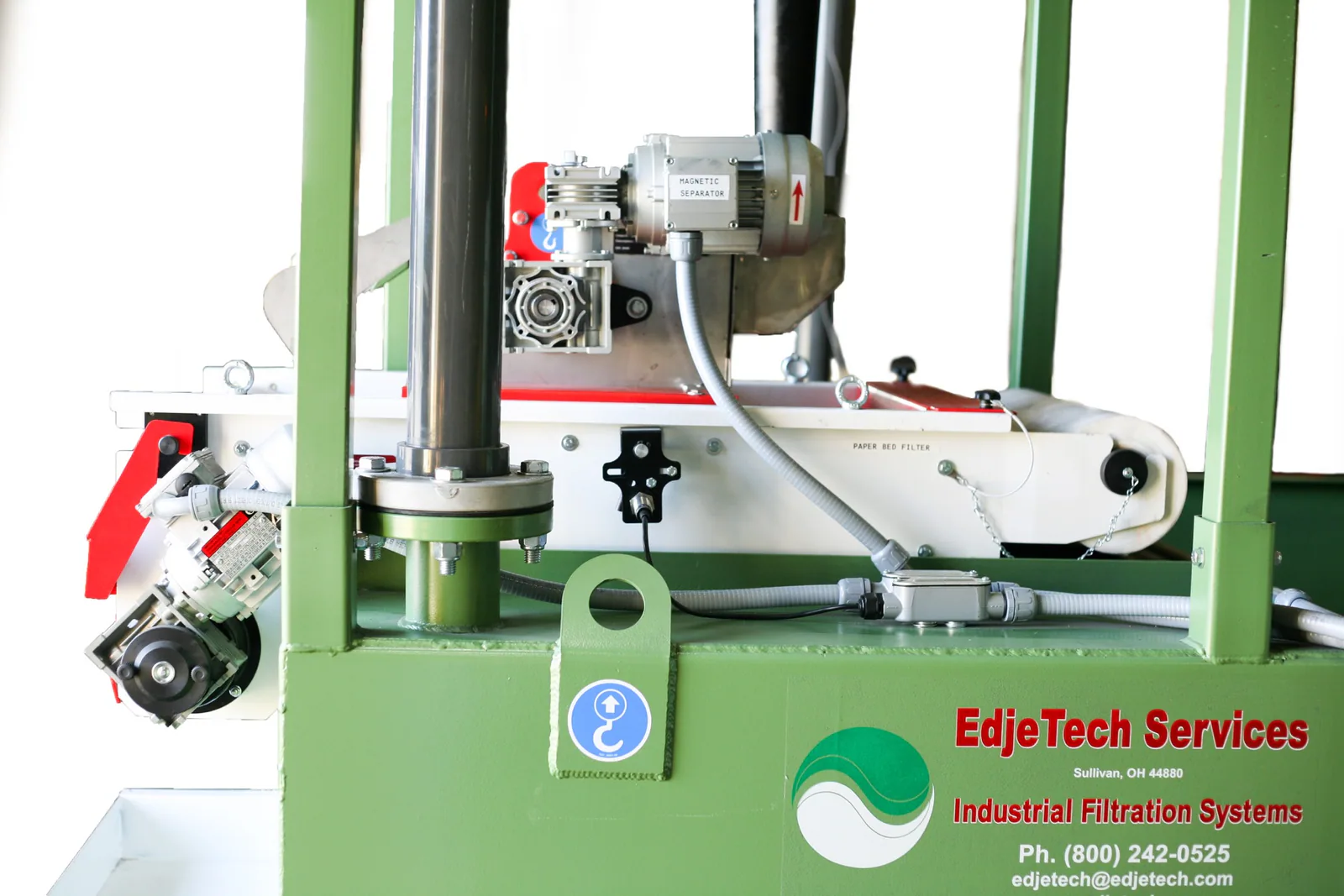 Filtration equipment
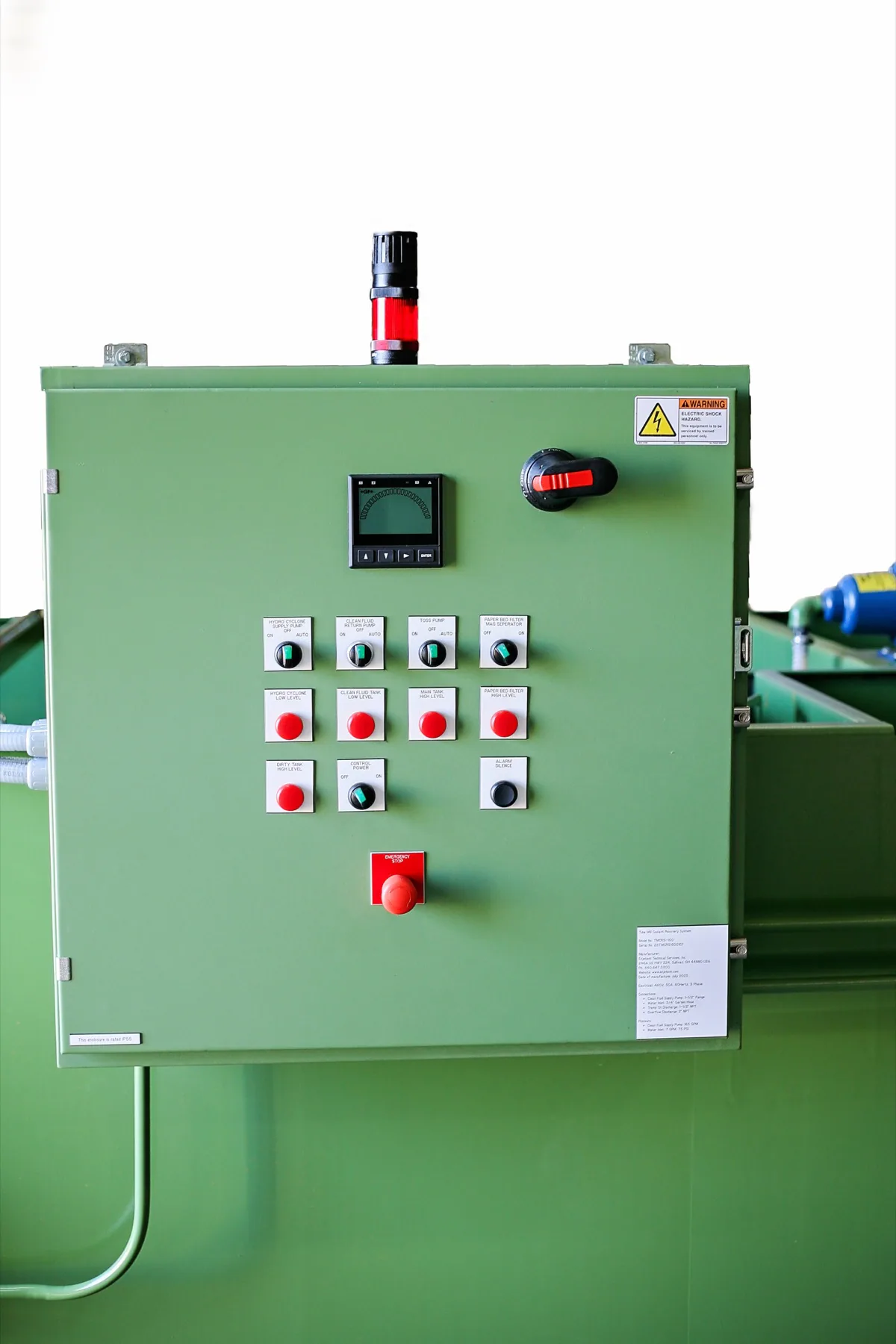 System controls
- 01
Hydrocyclone
~38 MICRONDirty coolant is pumped from the collection tank; solids spin out the underflow.
- 02
Magnetic separator
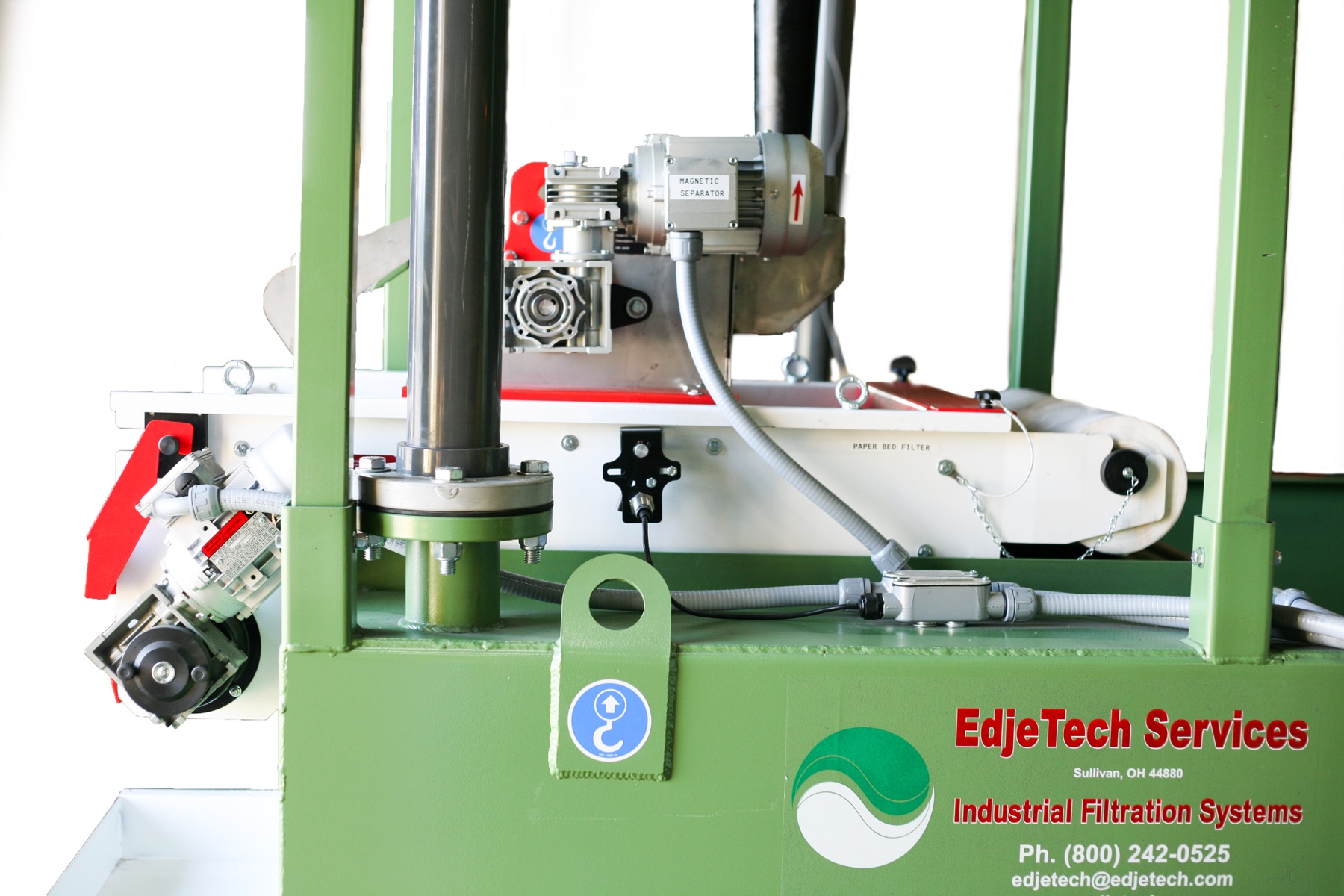
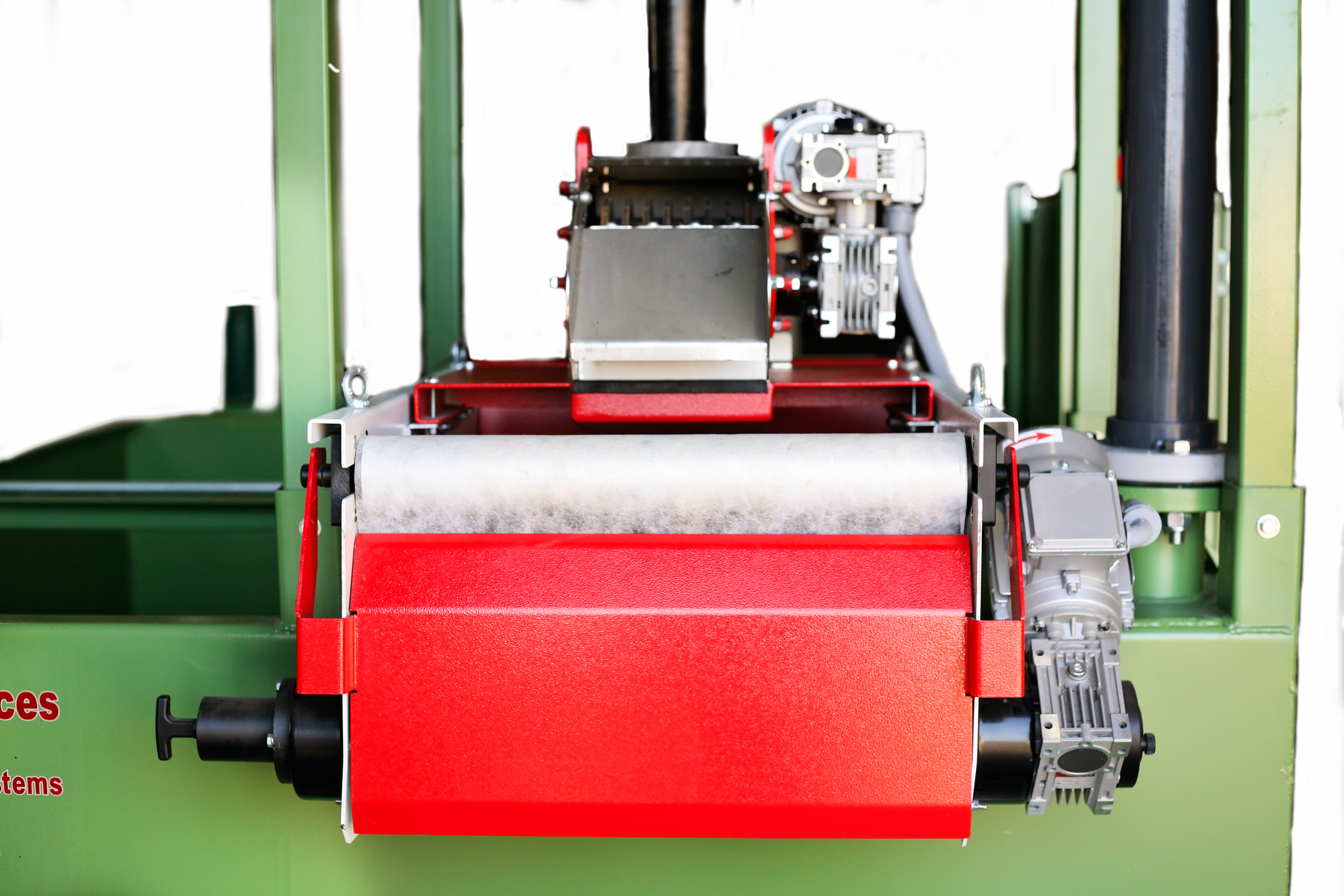
FERROUSPulls ferrous particulate from the underflow solids onto the swarf tray.
- 03
Paper bed filter
35 MICRONCatches the non-ferrous fines the magnet passes; waste deposits on the same tray.
- 04
Oil removal
COALESCING MEDIAFloating skimmers feed oil-rich coolant to the separator, where small oil droplets merge and rise. Separated oil drains to your container.
- 05
Clean return
99% OR GREATER UPTIMEThe clean-fluid supply pump returns filtered coolant to the mill on demand. The proportioner automatically mixes water and concentrate at the required concentration.
Recovered oil with 2% or less water
Recovered oil with 2% or less water content may be suitable for reclamation or reuse, subject to composition, waste classification, and recipient requirements. Continuous oil separation reduces the volume requiring disposal while the mill operates.
Every TMCRS is built to the mill it serves
Footprint, power, chip capacity, filtration stages, and controls are engineered for the mill flow, material mix, contaminant load, and facility layout.
- Magnetic separator
- Specified for ferrous-heavy chip loads; optional where the material mix does not warrant it.
- Paper bed sizing
- The non-ferrous particulate stage, sized to your fines load.
- Post filter
- Provides 10 to 15 micron polishing of the return flow where additional final filtration is required at the mill.
- Thermal control
- Heat exchanger and cooling tower with pumping station on the return loop.
- Backup pumps
- Redundant hydrocyclone supply and clean fluid supply pumps.
- Auxiliary equipment
- Mill coolant make-up unit, dirty fluid transfer tank and pumps, post-polishing filter.
- Controls & instruments
- Pre-filtration, electronic refractometers, advanced control panels, stainless steel upgrades.
- Construction
- Mild coated steel with chemical-resistant paint, built for industrial duty.
Questions engineers ask before specifying
Which facilities are suited to TMCRS?
TMCRS is designed for tube and steel mills requiring real-time filtration at mill flow. Each system is engineered around the facility's required flow, material mix, contaminant load, and process requirements.
Will it handle our chip load?
Ferrous and non-ferrous solids are removed in separate, sized stages: the magnetic separator takes the ferrous, the paper bed takes the non-ferrous fines, and the modular construction sizes each stage to your material mix.
What operating savings can support the investment?
Performance ranges include up to 85% lower new-coolant purchases and up to 90% lower disposal cost. Application-specific simple payback is estimated from the quoted system investment and the mill's current coolant, labor, maintenance, and disposal costs.
Estimate operating savings →What ownership support is included?
EdjeTech supports system startup and provides replacement media, parts, technical documentation, and service resources throughout the equipment life.
Review support resources →How does TMCRS support environmental reporting?
Lower new-fluid use and reduced hauled-waste volume support coolant-management and sustainability reporting. Operating records can track coolant use, oil recovery, and disposal volumes.
Sustainability & compliance →Engineered for the mill and supported for its service life
In service
- Over 40 years
- Designing and building coolant recycling systems, each engineered to the mill it serves.
- Model-based support
- Media and replacement items are matched to the installed system model and configuration.
- Per plant
- Sizing, filtration stages, and controls are specified for the mill, chip load, coolant, and required flow.
Engineer-reviewed fit
An EdjeTech engineer reviews the coolant, application details, and operating requirements to confirm the appropriate system configuration.
- FLUID TYPE
- CONCENTRATION
- TRAMP OIL
- CHIP LOAD
- MATERIAL MIX
- FLOW RATE
- MILL LAYOUT
Keep mill coolant recovery moving with production
Remove circulating fines and tramp oil while returning clean coolant at the flow your mill needs.