
Remove ferrous and non-ferrous fines in one system.
The DCO Filter System combines a magnetic separator with a paper bed filter. The magnetic stage removes steel and cast-iron fines first, while the fabric captures brass, aluminum, abrasive grit, and other remaining solids.
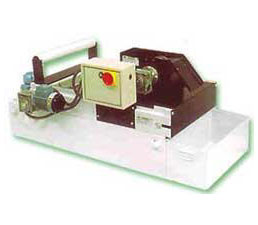
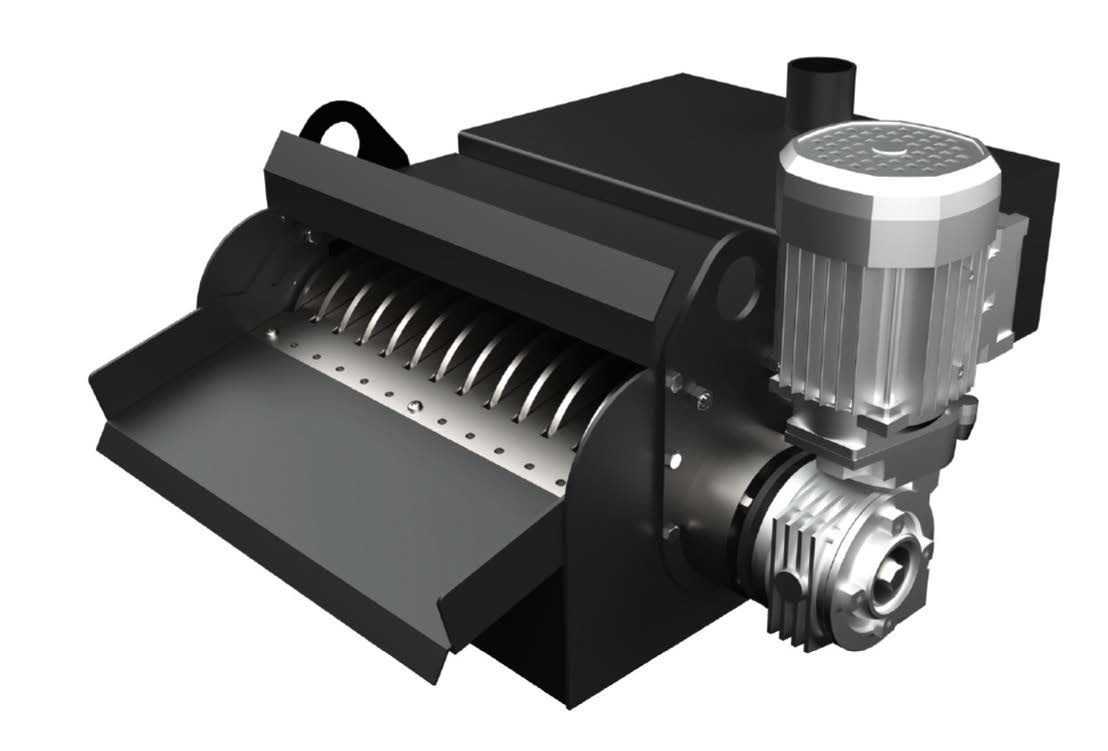
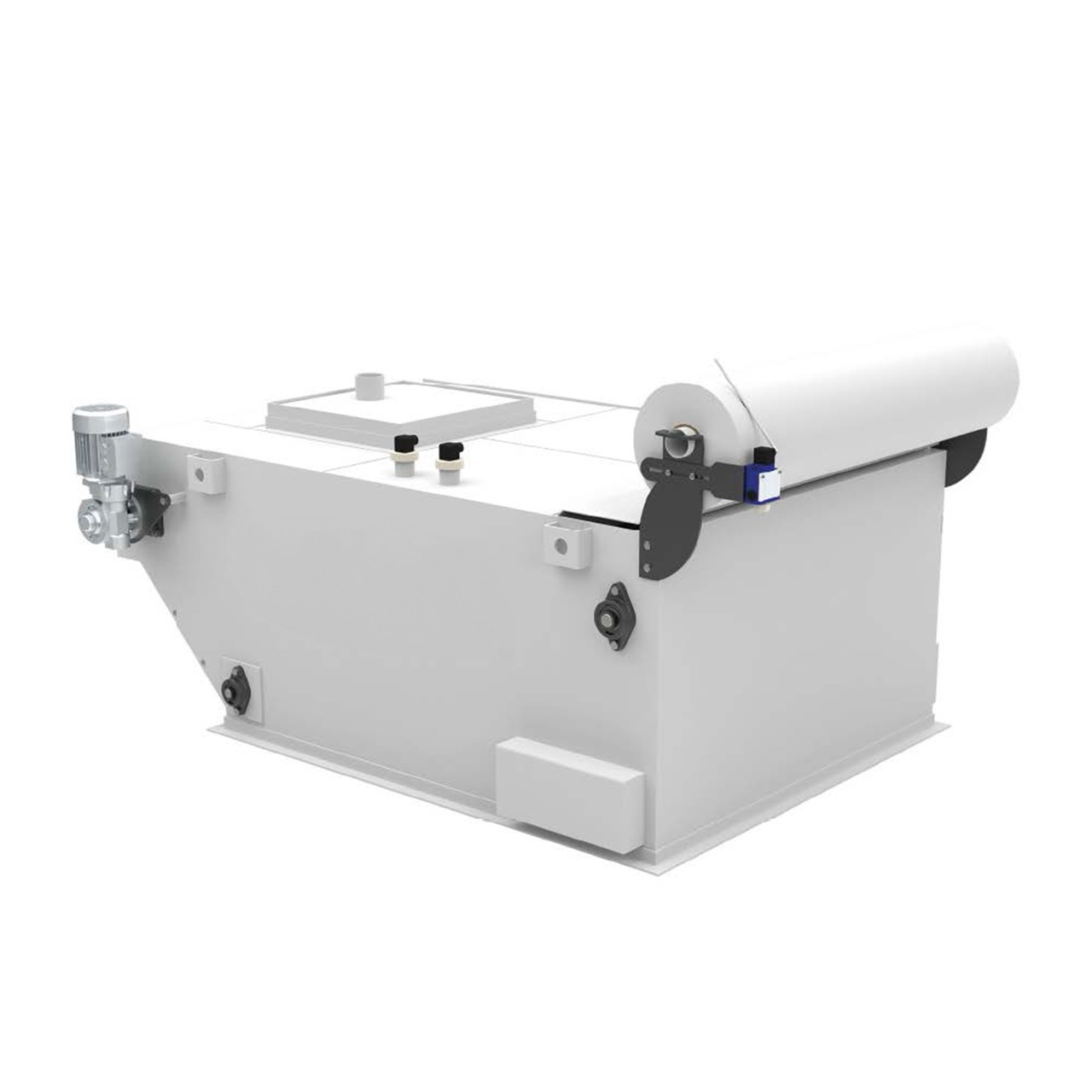
- Mixed solids
- Capture ferrous fines, non-ferrous particles, and sludge
- Less filter fabric
- Magnetic pre-separation reduces loading on the fabric
- Automatic advance
- Fresh fabric feeds as the used media loads
- Two stages, one unit
- Magnetic separation followed by paper-bed filtration
The magnet protects the paper bed
In a steel or cast-iron operation, ferrous fines account for most of the load a paper bed handles. Removing that ferrous fraction at a magnetic separator, which uses no consumable media, reduces how often the fabric advances. Because filter fabric is the paper bed's primary consumable cost, upstream magnetic separation reduces media use and associated operating expense.
- Dirty coolant inMixed loadFerrous + non-ferrous + solidsMixed particulate generated by the machining process.
- Stage 01Magnetic separatorFerrous fines → drum98% removed, no consumable media.
- Stage 02Paper bed filterNon-ferrous + solids → roll-offCaptured on disposable fabric, grade by cloth.
- Clean coolant outTo the machineReturned through the pumpClean fluid back to the sump.
Ferrous removal followed by fabric filtration
- Stage 1
Magnetic separator
01Rotating magnets attract ferrous particulate from the fluid as it flows through. A scraper blade cleans the discs continuously, so the separator runs without shutting down for cleaning. The ferrous material builds up and slides down a chute into a 55-gallon drum or a portable chip dumpster.
It removes ferrous material one-quarter inch and smaller at 98% efficiency, with no filter media to buy. Taking the iron out early also reduces machine wear and reservoir pump-outs.
- 98%
- Ferrous removal
- No media
- Nothing to replace
- Continuous
- No shutdown to clean
- Stage 2
Paper bed filter
02The fluid then passes through disposable fabric on a self-advancing bed. This stage captures non-ferrous particulate, slag, process residue, and general sludge that the magnetic separator does not remove. Filter-cloth selection determines the micron rating.
The bed handles water, emulsion, solution, and oil. Every unit can be built in stainless steel for corrosive liquids, pure water, and food-industry duty.
- By cloth
- Grade set by fabric
- All fluids
- Water, emulsion, oil
- Self-advancing
- No bag to change
Seven models, sized to flow
The DMD line includes seven models from DMD 50 through DMD 400. Particle capacity and stainless steel construction are summarized below, with full dimensional drawings available for specification.
| DMD model | Dimension D (in) | Dimension H (in) |
|---|---|---|
| DMD 50 | 49.2 | 39.4 |
| DMD 100 | 65.0 | 53.1 |
| DMD 150 | 72.8 | 61.0 |
| DMD 200 | 90.6 | 78.7 |
| DMD 250 | 110.2 | 98.4 |
| DMD 300 | 129.9 | 118.1 |
| DMD 400 | 169.3 | 157.5 |
- 13–396 GPM
- Magnet stage range (MD line, water-based)
- 13–132 GPM
- Bed stage range (gravity paper bed, water-based)
- 6 × 6 mm
- Maximum metallic particle handled
- 4 × 4 mm
- Maximum non-metallic particle handled
- Stainless
- Optional build for corrosive liquids, pure water, food industry
Filter-cloth selection determines the filtration grade. Higher-capacity configurations are available. D and H are the primary model dimensions; complete dimensional drawings are available for specification. EdjeTech sizes the magnetic and paper-bed stages together using the required flow rate and material mix. Request dimensional drawings →
Machining and industrial process-fluid filtration
The combination filter can serve individual machine tools or process-fluid systems carrying mixed ferrous and non-ferrous solids.
- 01Turning, grinding, general machiningMetalworking coolant with mixed ferrous and non-ferrous particulate
- 02Glass fabricationSolids removal from process fluids
- 03Chemical and dyeingParticulate removal from process fluids
- 04Food industryStainless build for clean-fluid duty
- 05Painting and washingParticulate removal ahead of the process
- 06Water treatmentSolids separation from water and emulsions
Remove mixed solids from your process fluid
Capture ferrous fines and nonmagnetic particles before they recirculate through your machining or grinding process.